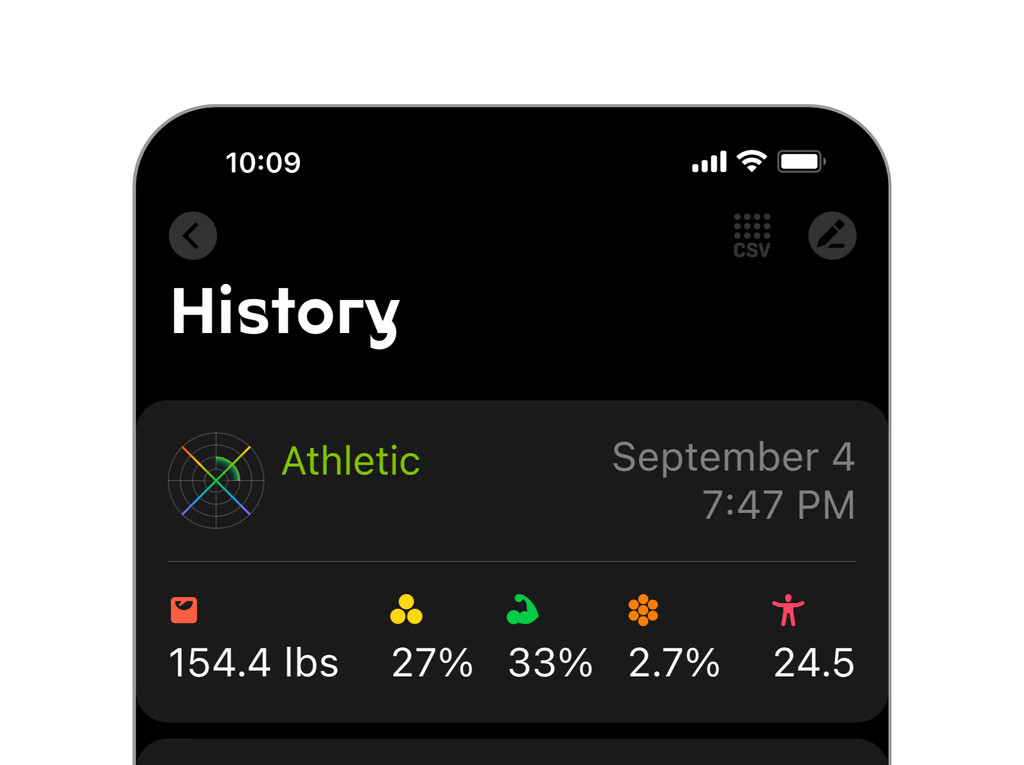
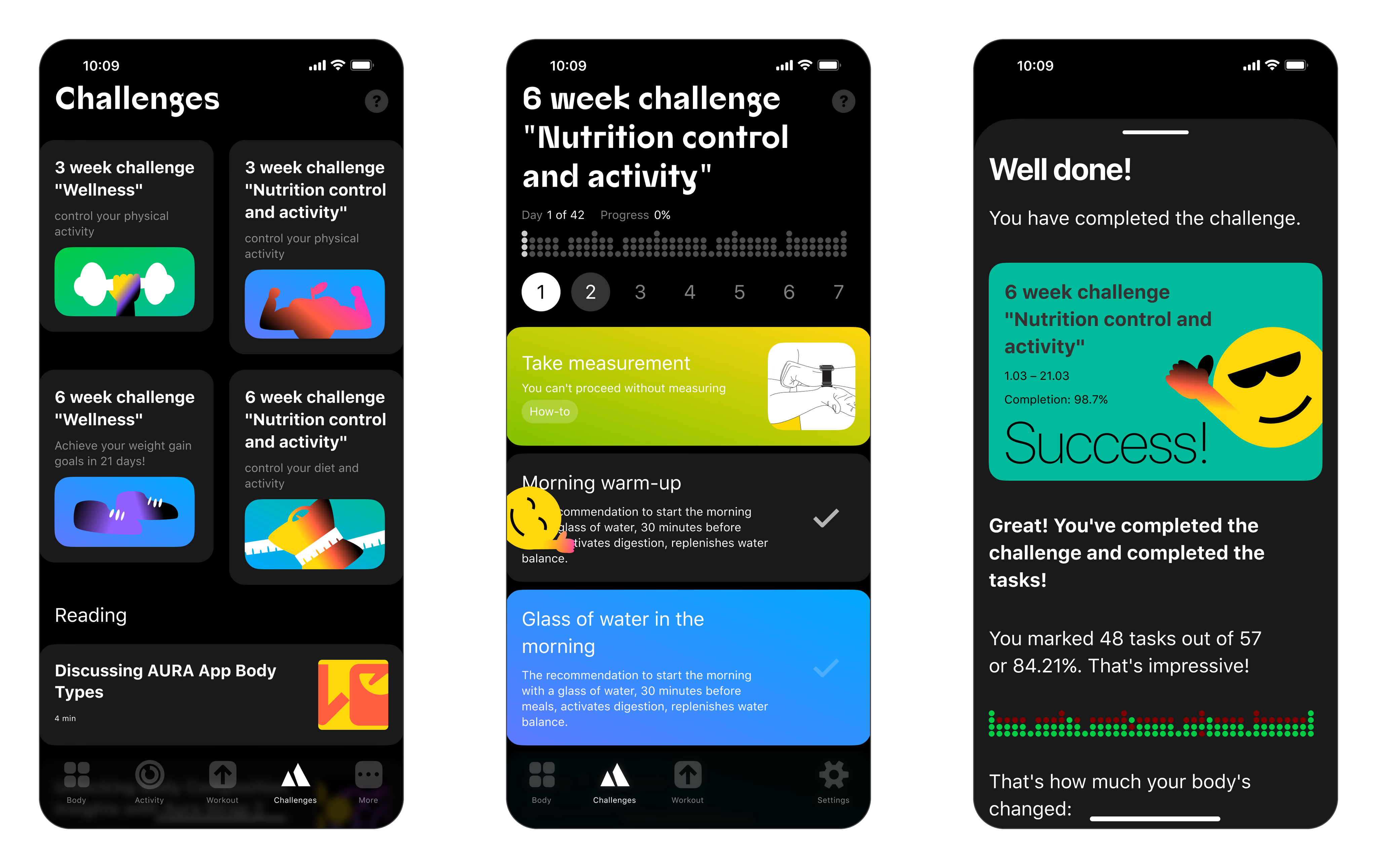
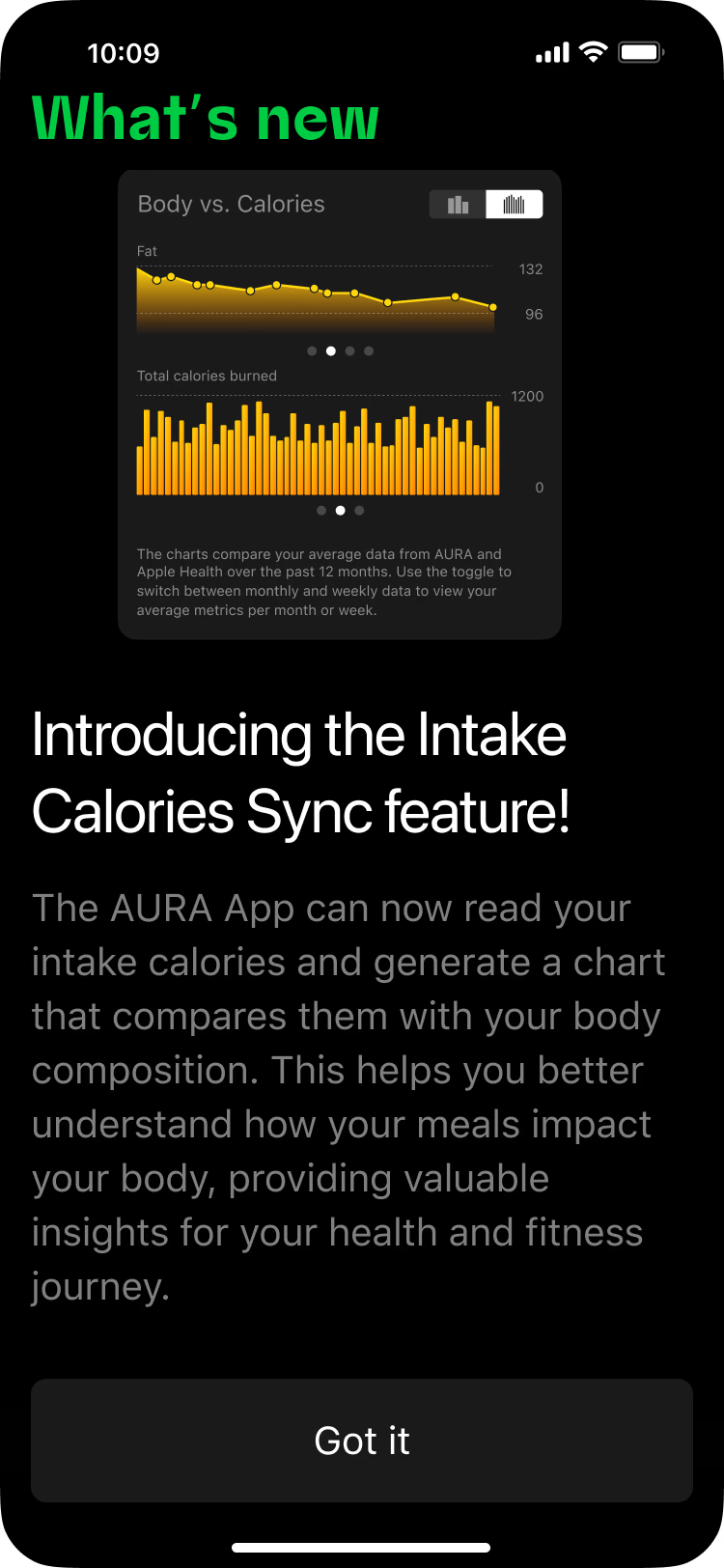
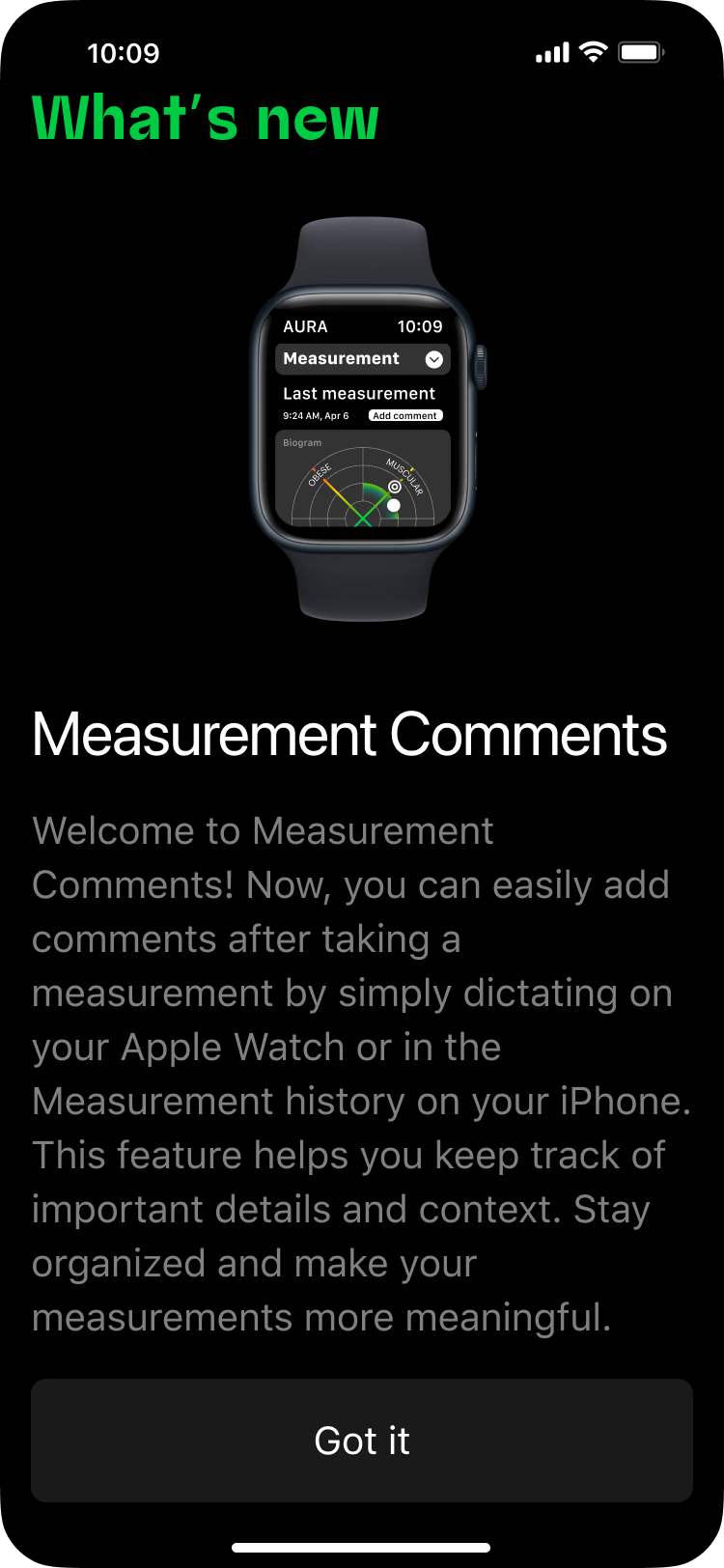
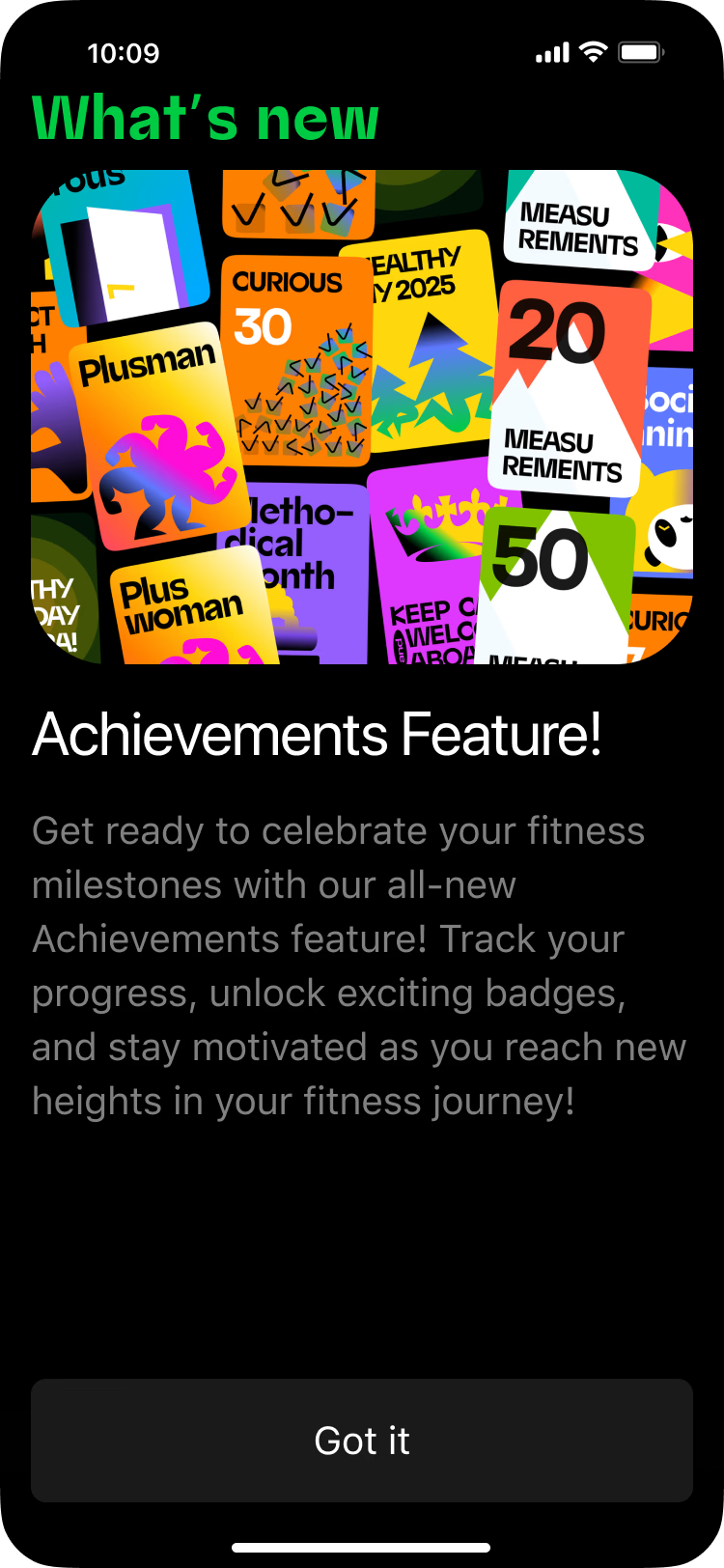
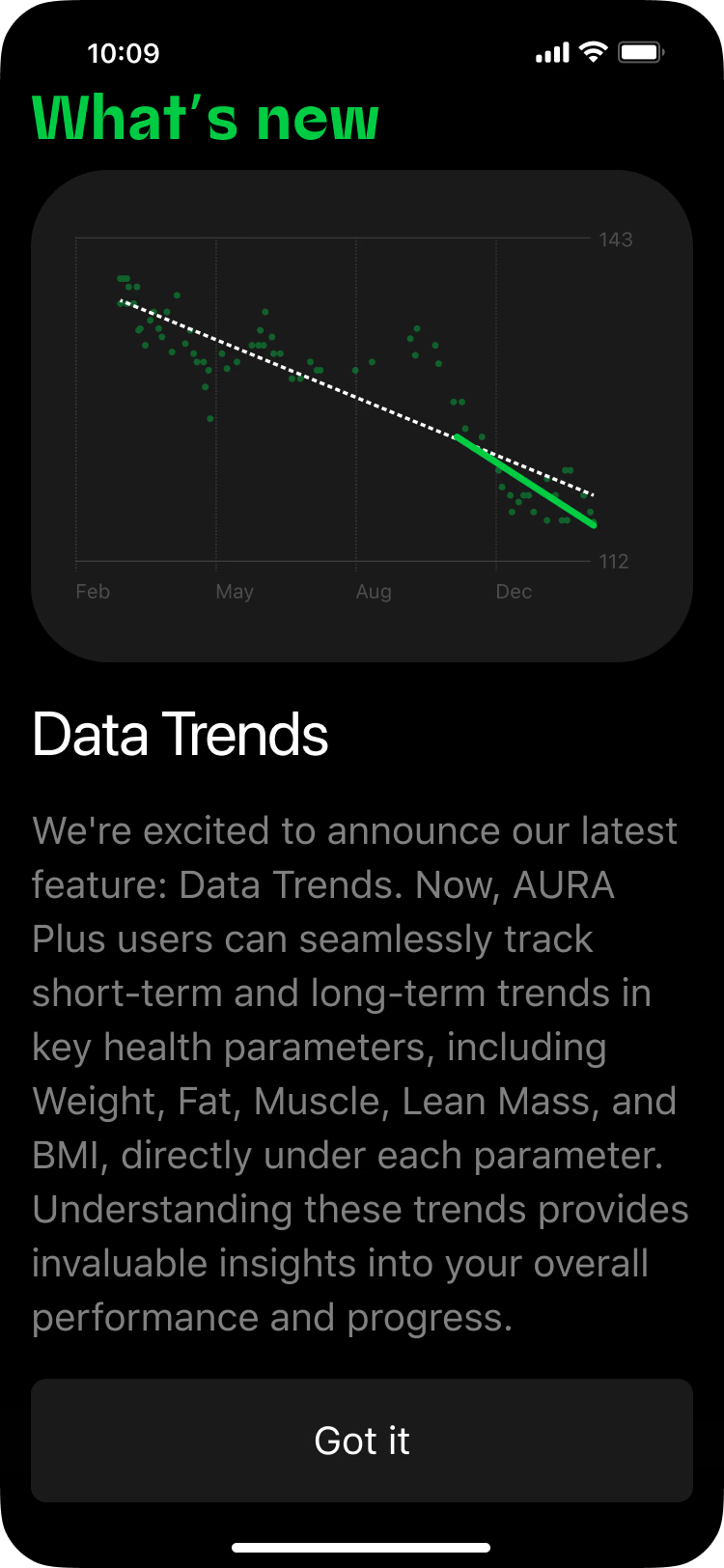
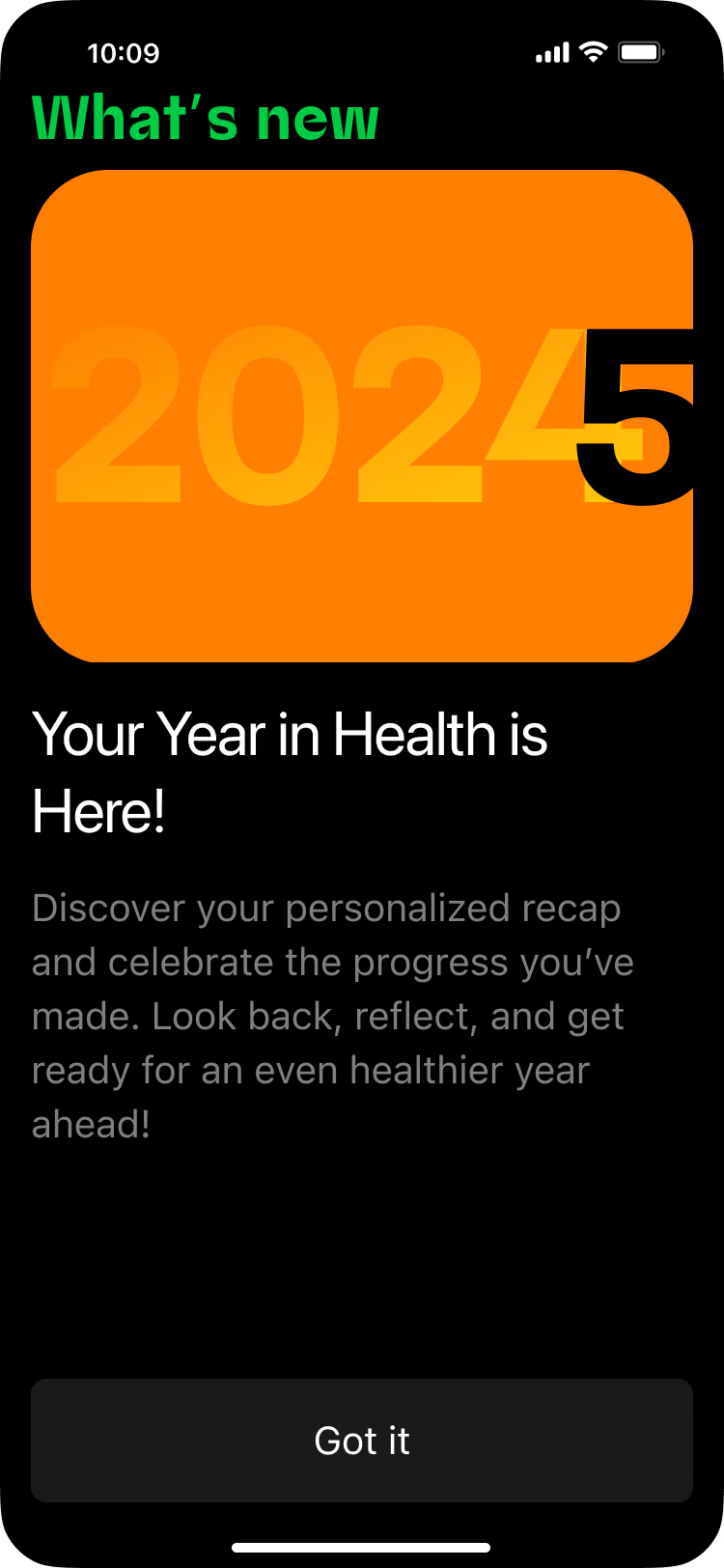
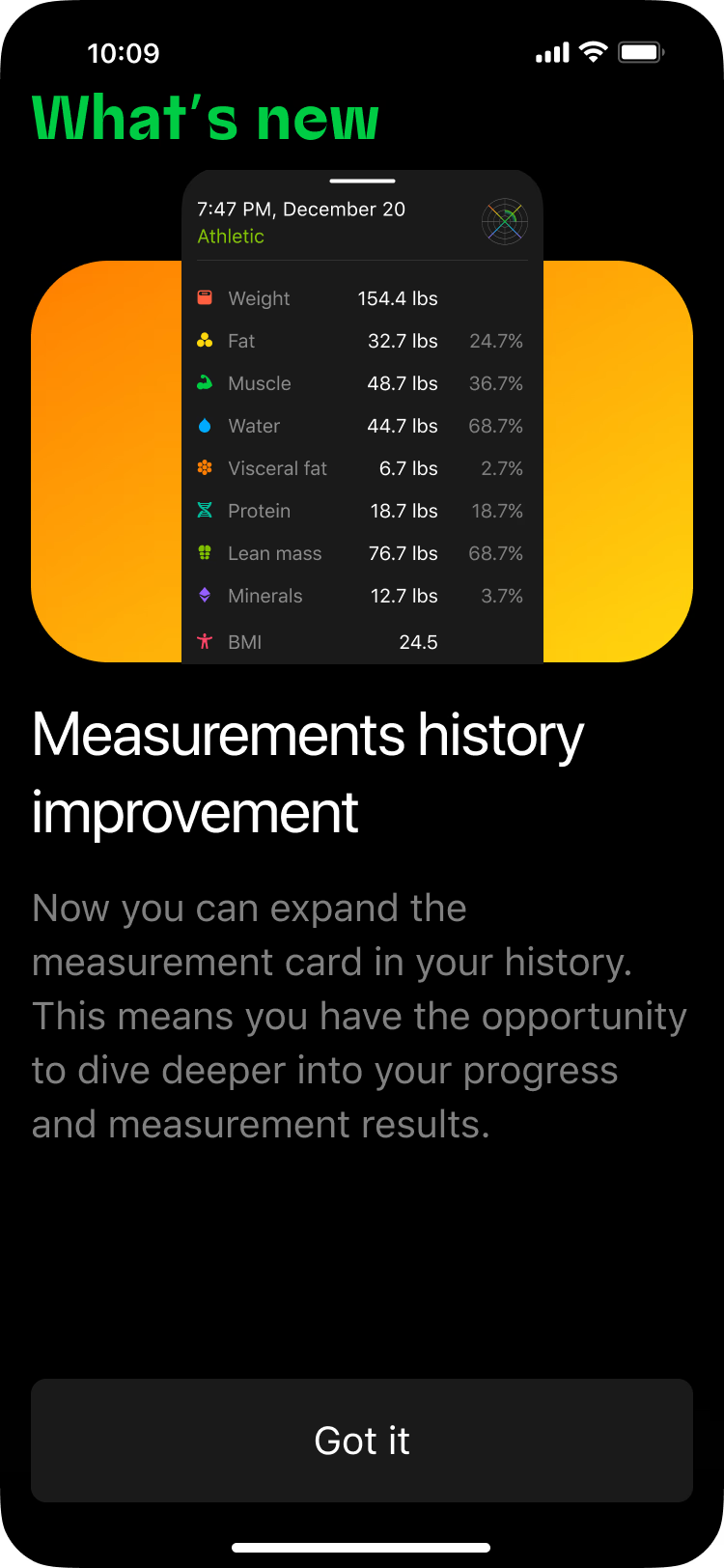
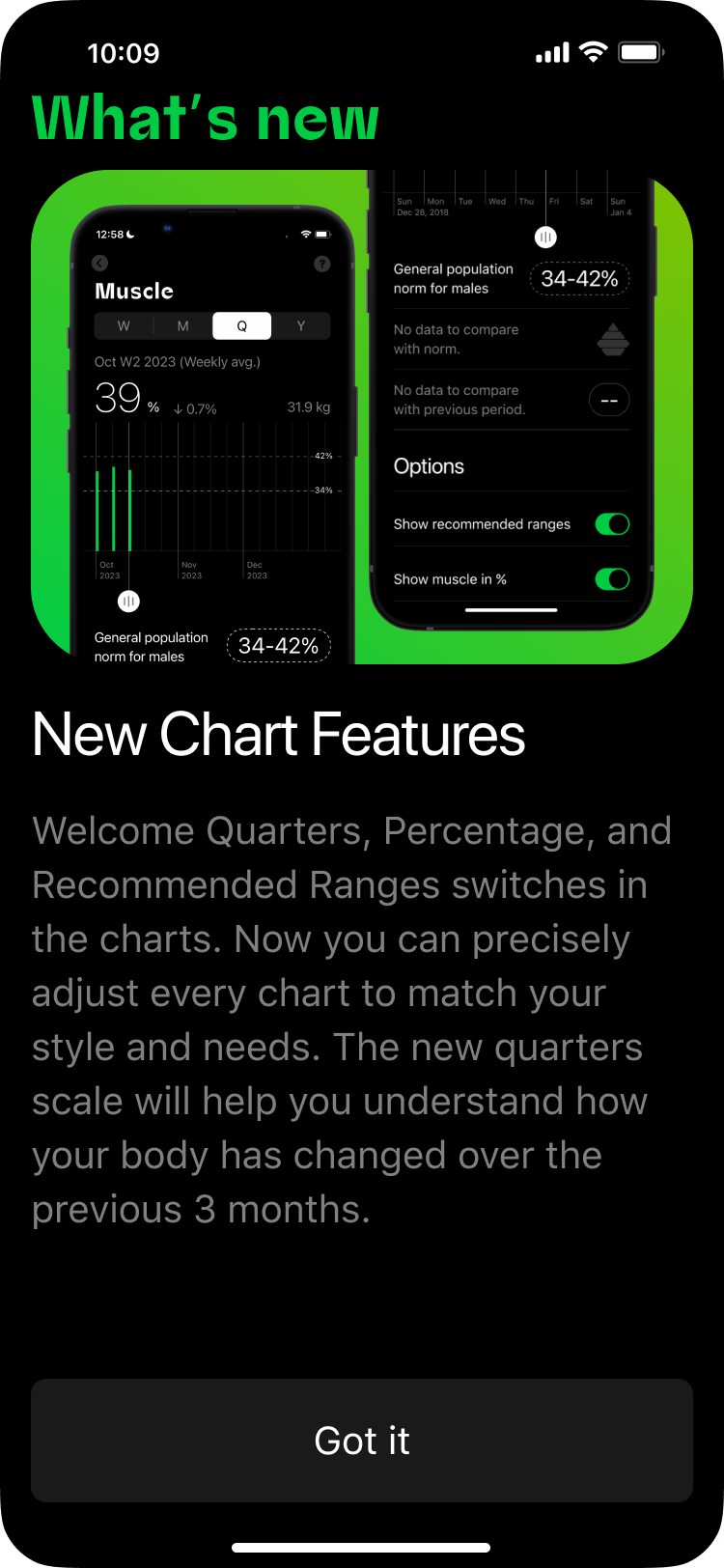
On the product side, we shifted the narrative from simply showing "facts about your body" to positioning the app as a coach that helps you reach goals. We introduced motivational features such as achievements, trendline graphs, and the ability to compare body composition against food and activity data.
To support this shift, I designed a set of new features that gave users not only numbers, but context, motivation and daily actions.
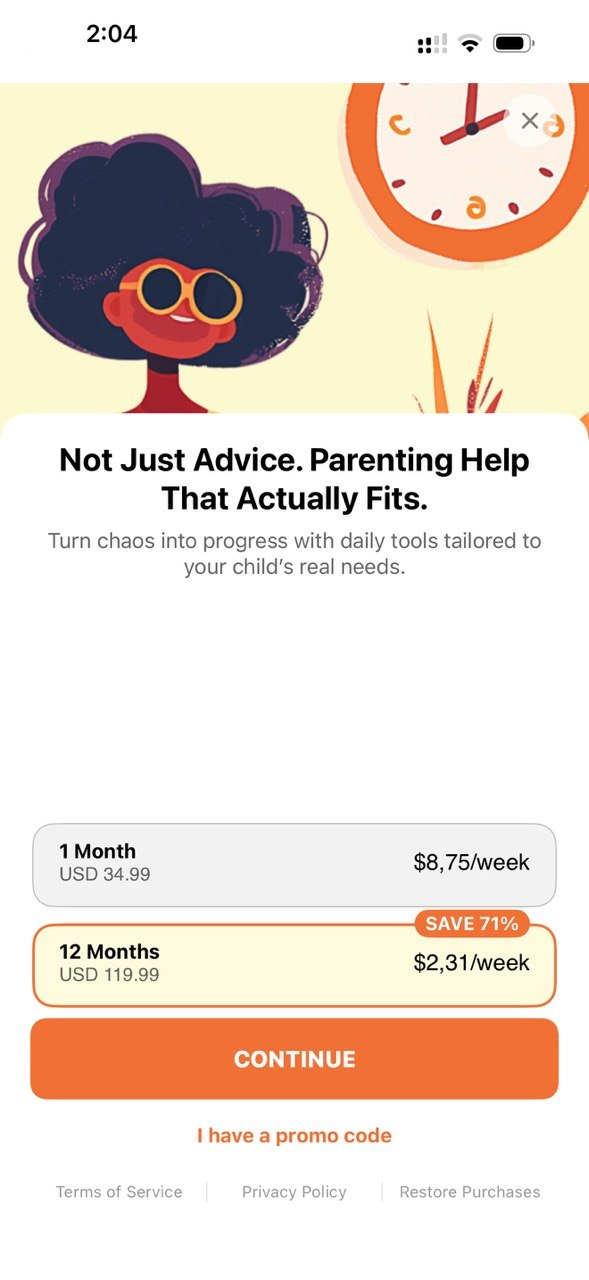
I also ran systematic experimentation with the paywall: testing placement and timing, defaults for monthly vs. annual, visual treatments, trial lengths, and messaging. The most impactful decision was adding a lifetime subscription, which quickly became one of the most popular options.
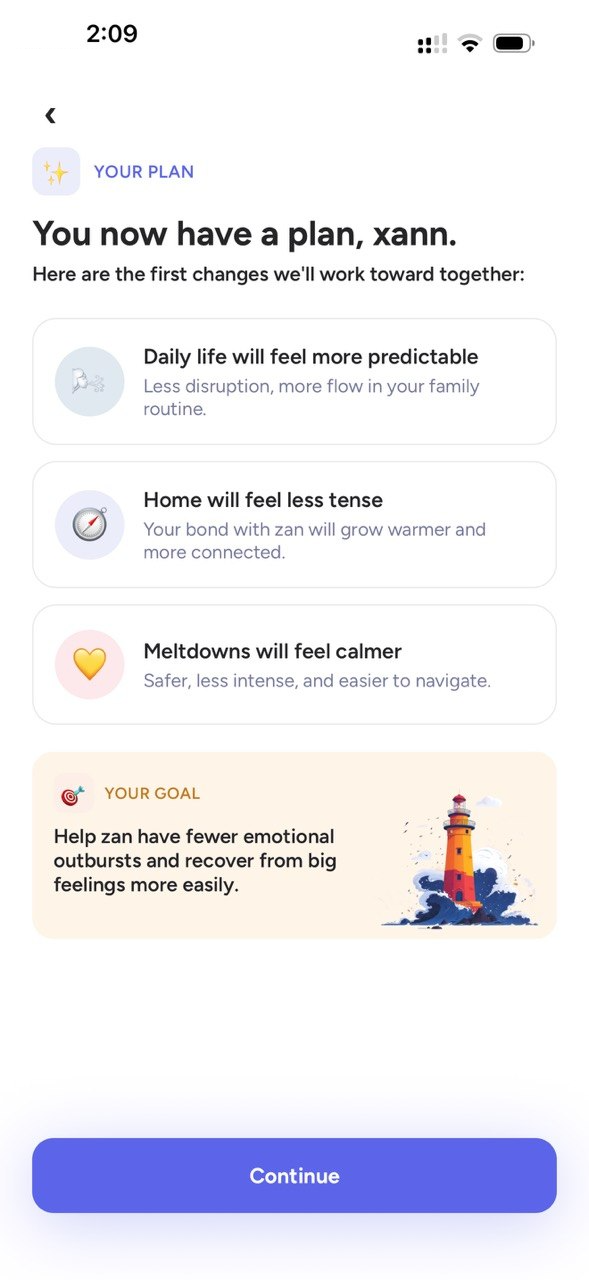
Our paywall work wasn't just design polish — it was a series of A/B experiments. Some of them gave surprising results, where quick draft versions outperformed carefully polished designs. Here's a chance to experience one of those tests yourself:
{{ abTitle }}
{{ c.label }}
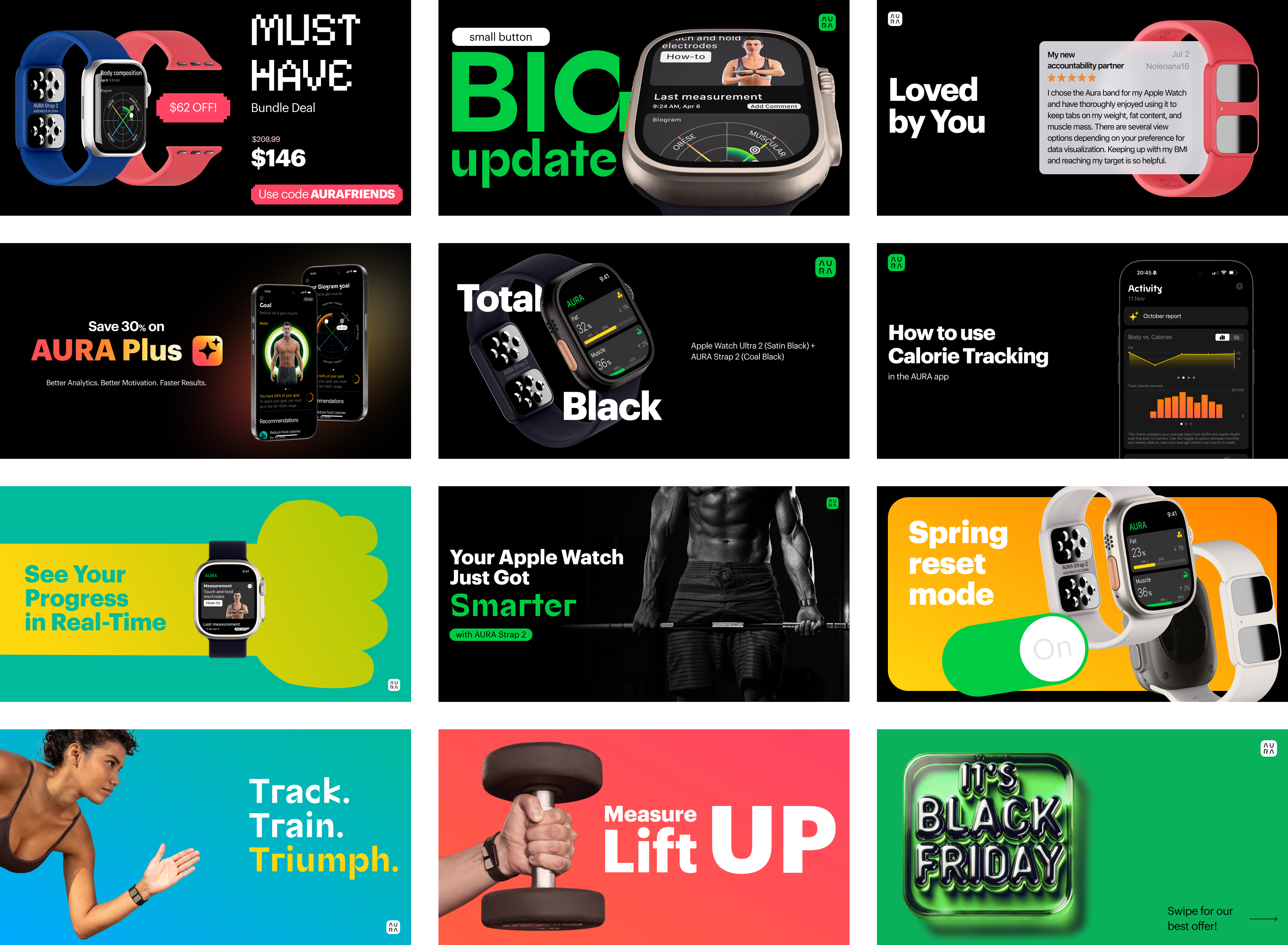
On the marketing side, I hired and mentored a communication designer, giving direction for 3D visuals, animations, and campaign assets. Together with the team and contractors, I produced copy, visuals, and creative concepts. We refreshed landing pages, ran A/B experiments on the homepage, and created specialized funnels — for example, targeting users motivated by weight loss.
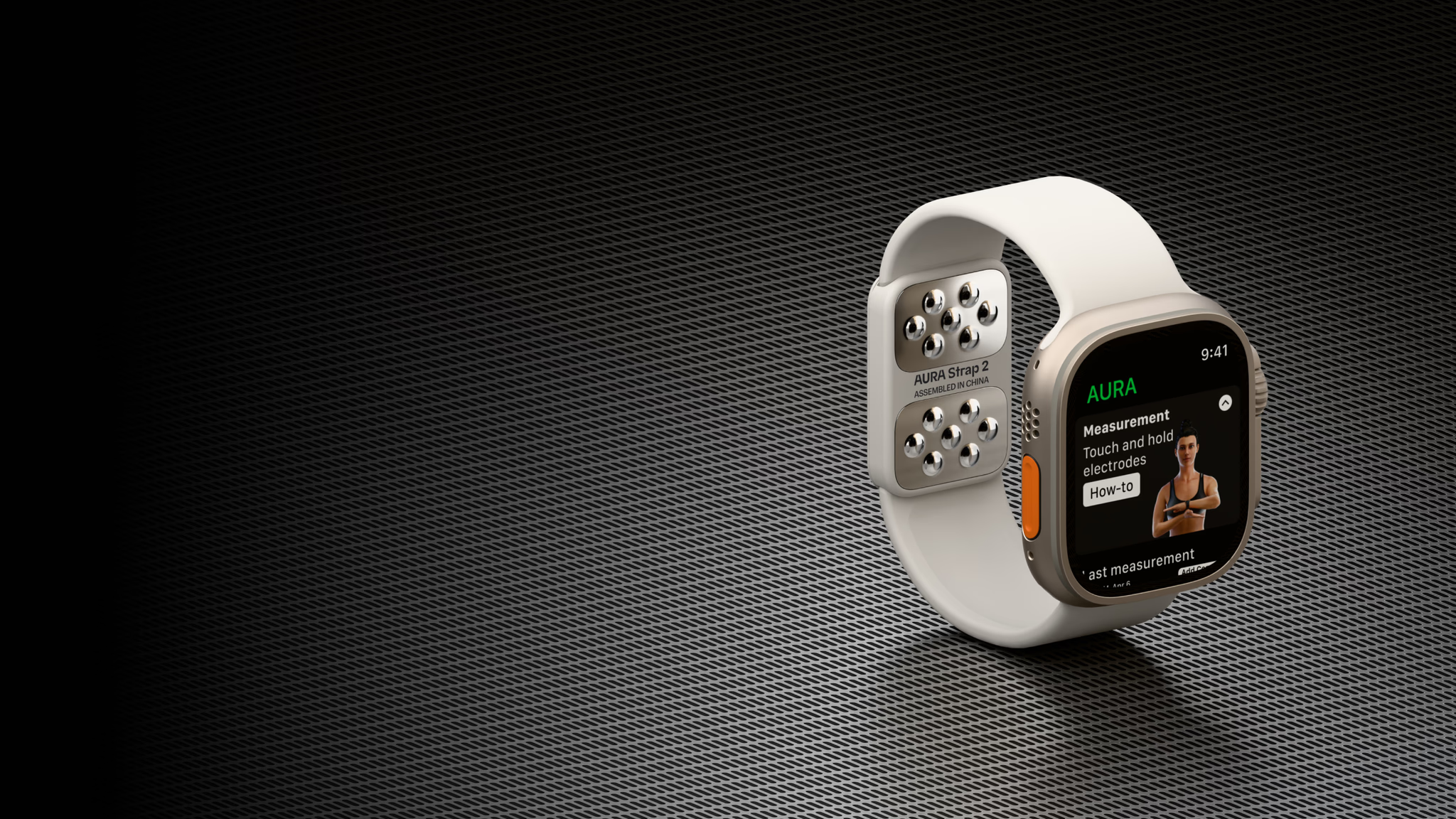
I contributed ideas, texts, and creatives, ensuring consistency across SMM, email campaigns, and device visuals. I also helped organize brand photoshoots, including Barcelona assets, to maintain visual unity.
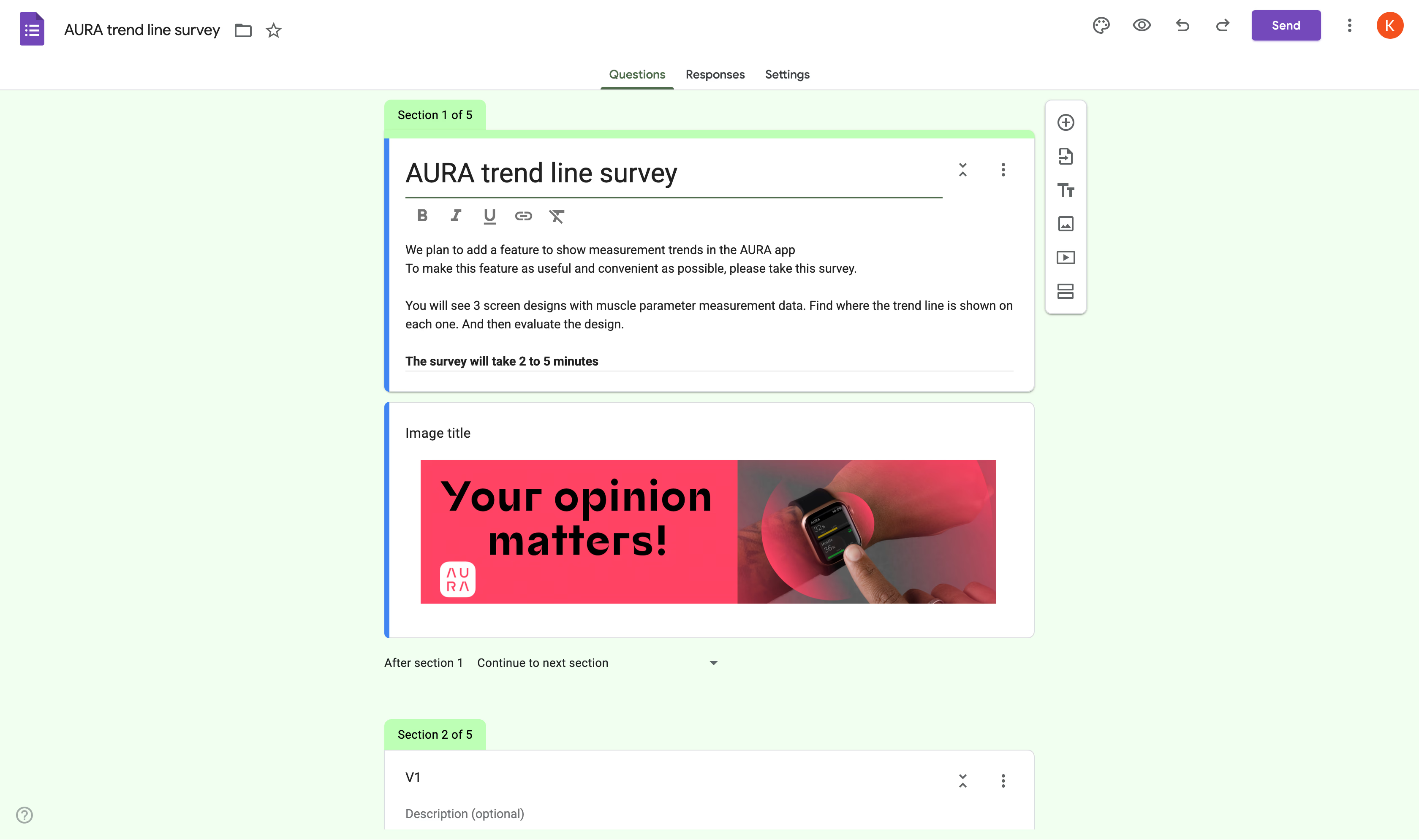
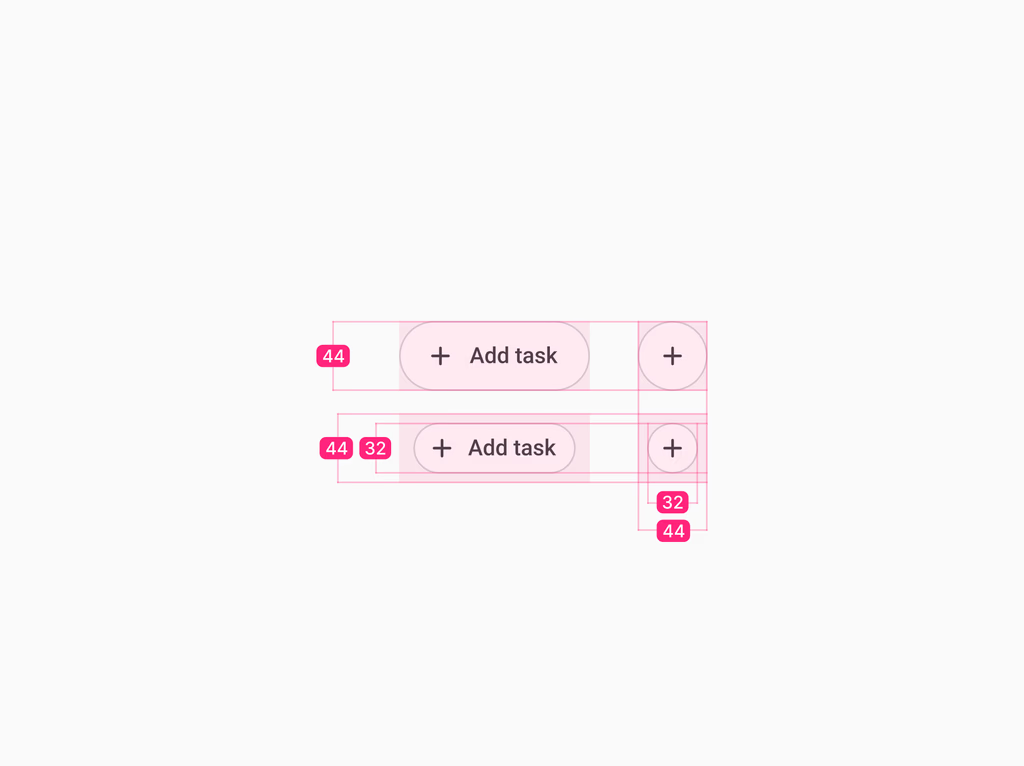
Through user research, I support a continuous loop of interviews, surveys, and complaint analysis. This revealed unexpected insights: a smaller CTA button sometimes converted better, and imagery of the red strap delivered higher CTR even though black straps sold more. These experiments reinforced a culture of testing and learning.
Finally, I worked on strategy and roadmap. We created a validated backlog of improvements: expanded surveys, premium reports, and new premium features. I also participated in early planning for the next generation device, helping adapt the app UX, packaging, and overall journey for upcoming hardware.
Results
≈10× growth in premium subscriptions (2023–2025).
≈2× increase in device sales over the same period.
More consistent brand identity and creative output across all channels.
Predictable research–hypothesis–test cycle, building confidence in future product iterations.
A clear roadmap for premium features and next-gen device integration.
Learnings
This work confirmed several lessons: users engage more when they see a goal and next step, not just raw data. Lifetime subscriptions combined with shorter trials outperformed other plans. Visual presentation matters — even counterintuitive variations, like red strap imagery, can lift conversion. Small UX changes such as wording or button size may shift metrics significantly. And a structured backlog, grounded in user insights, is as valuable for growth as immediate feature releases.